
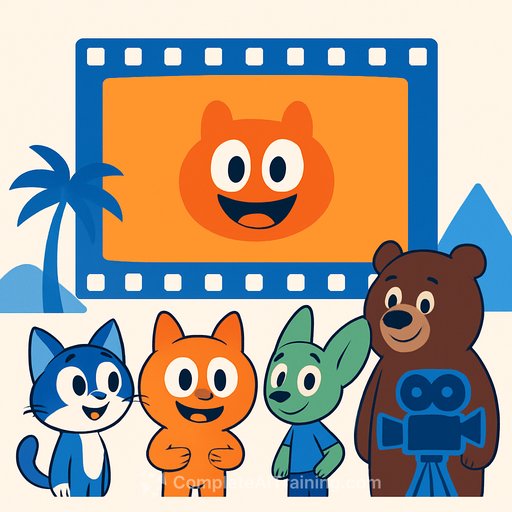
AGC Studios brings "Critterz" to Cannes, claiming the first mainstream family film produced entirely with AI. It tests how generative tools alter animation workflows.
AGC Studios is bringing the animated feature "Critterz" to the upcoming Cannes Film Festival, claiming it is the first mainstream commercial family film created with artificial intelligence integrated throughout the entire production pipeline. The project, which will screen sales materials and first-look test footage, serves as a major test case for how generative tools might alter traditional animation workflows.
The film was written by the Paddington in Peru duo James Lamont and Jon Foster, alongside Tom Butterworth and director Nik Kleverov of Native Foreign. OpenAI creative strategist Chad Nelson serves as a producer, joining Vertigo Films executives Allan Niblo and James Richardson.
Based on a 2023 short film, "Critterz" follows an anxious woodland creature uniting with eccentric outcasts to find her long-lost brother. The production team insists the film will emulate the scope of 1980s fantasy classics rather than read as a purely algorithmic exercise.
"It will carry the wonder of the '80s fantasy movies I grew up on - the scrappy, adventurous spirit of 'The Goonies' and the mythic, emotional scope of 'The NeverEnding Story,'" Kleverov said. "It's grounded in something deeply human: a fractured world finding its way back together."
Integrating AI across a full production pipeline introduces significant friction for human creators. Professionals across the entertainment sector already face pressure to adapt to automated tools, making resources like the AI Learning Path for Scriptwriters highly relevant for those meeting new studio requirements. If video game studios have faced backlash for leaving unvetted AI assets in final products, animation writers and directors must establish rigorous quality control .
The primary concern is not merely aesthetic mimicry, but the potential erosion of artistic authenticity. Using these tools to replace human artists could undermine the core appeal of a narrative-driven feature.
Writers must understand how AI integration affects the development phase of animated features. When tools are embedded throughout a pipeline, script revisions, character descriptions, and worldbuilding notes may be fed directly into generative models. Writers should demand clear contractual boundaries around how their original text is used to train or prompt these systems. Exploring broader AI for Writers guidelines can help professionals establish these safeguards early in their careers.